Friday, 3 June 2016


Less is More Team
Special Needs Education (16th May Visit to Vantaa)
Irmeli’s assignment for 3rd June 2016


PART 1 - Have a discussion with your group about your experiences during our sessions and visits in these past few days (the special needs education course). 

a. What has been most interesting….
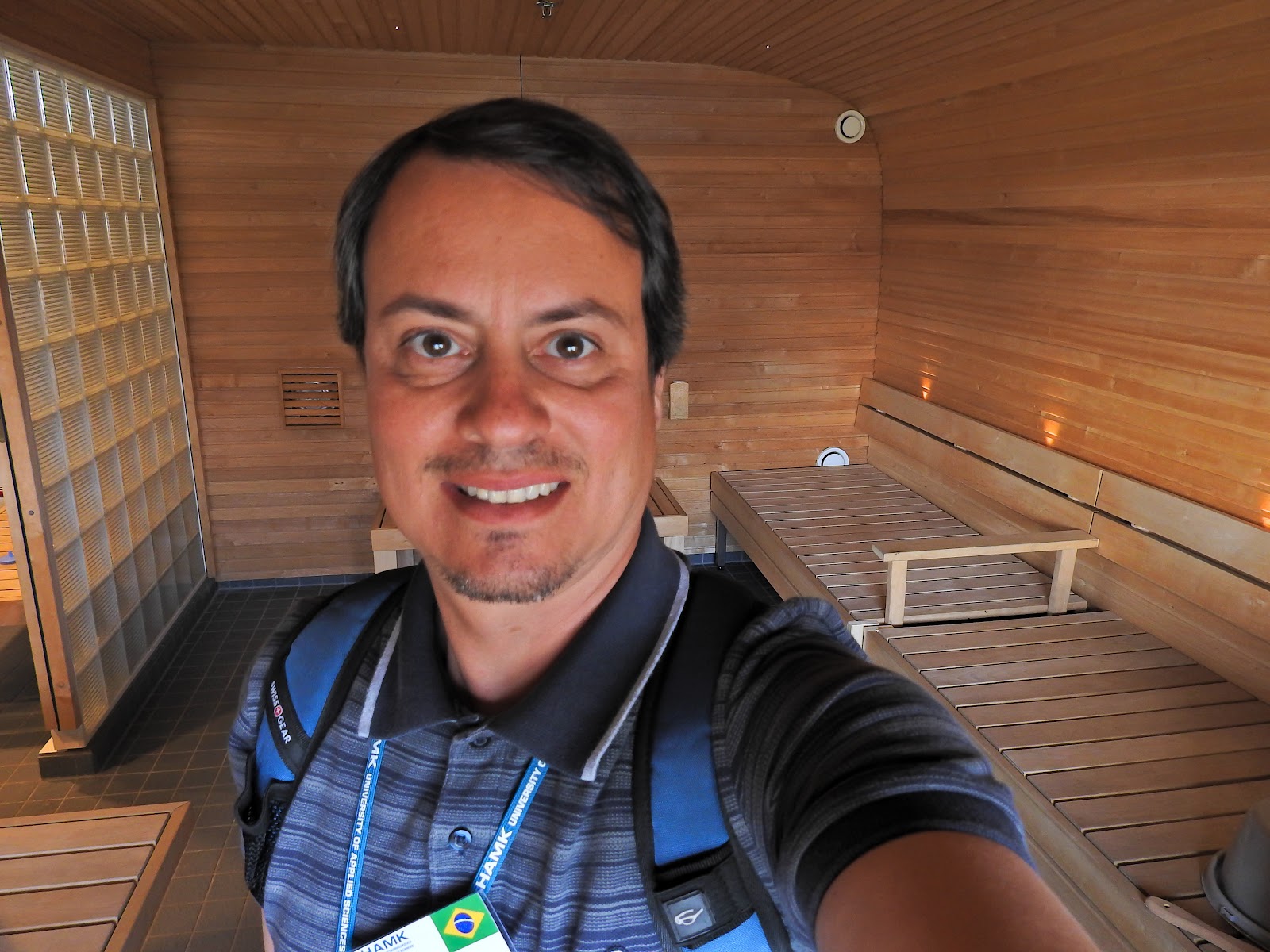
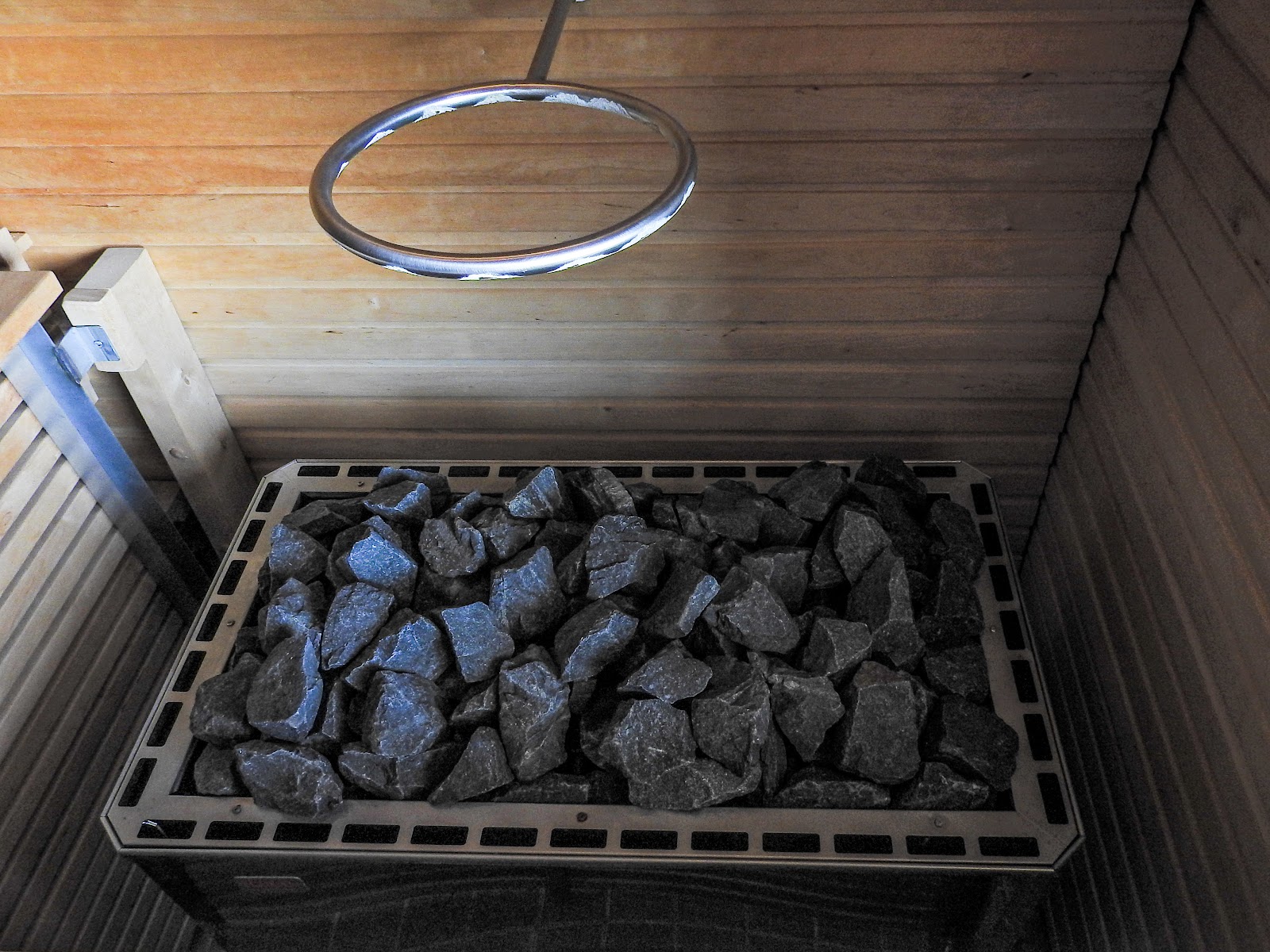
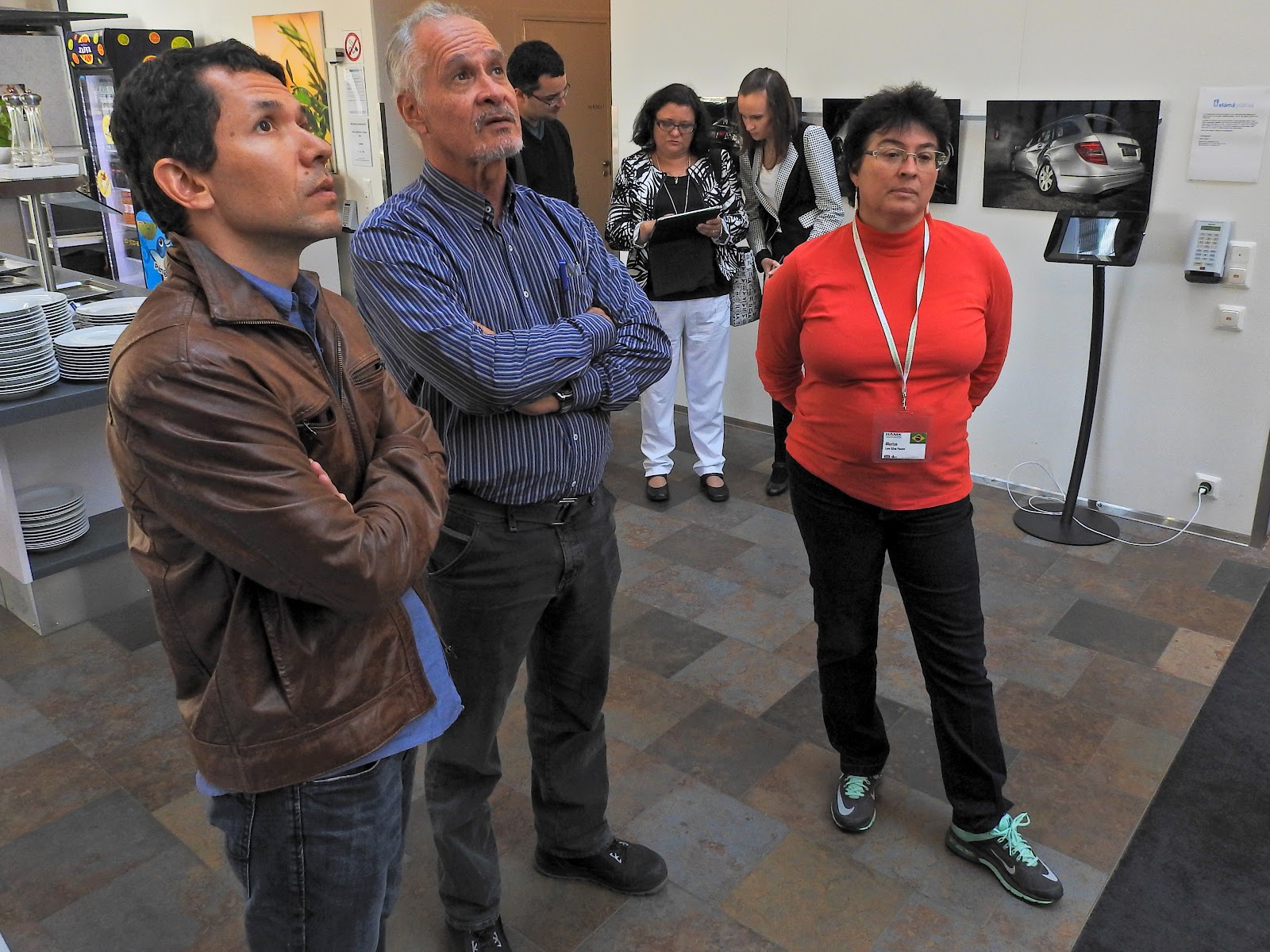
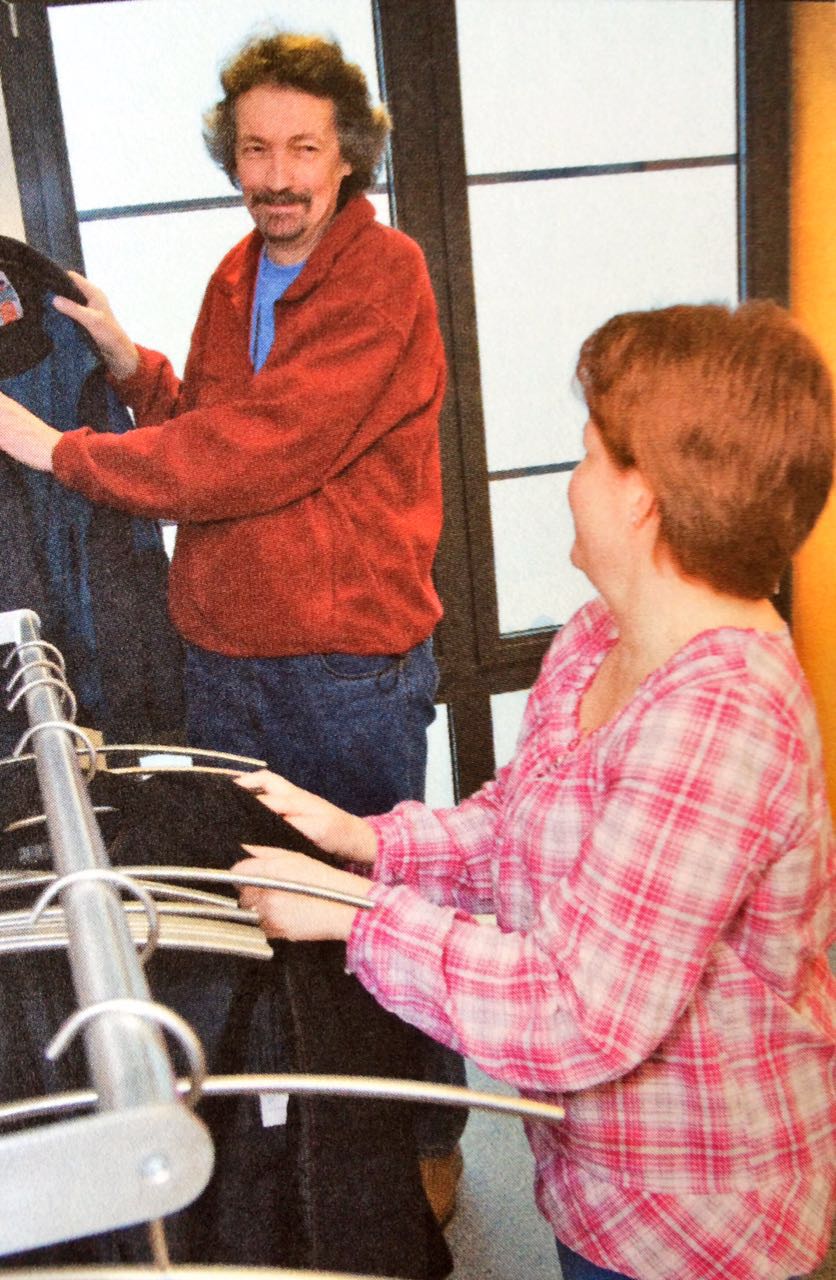
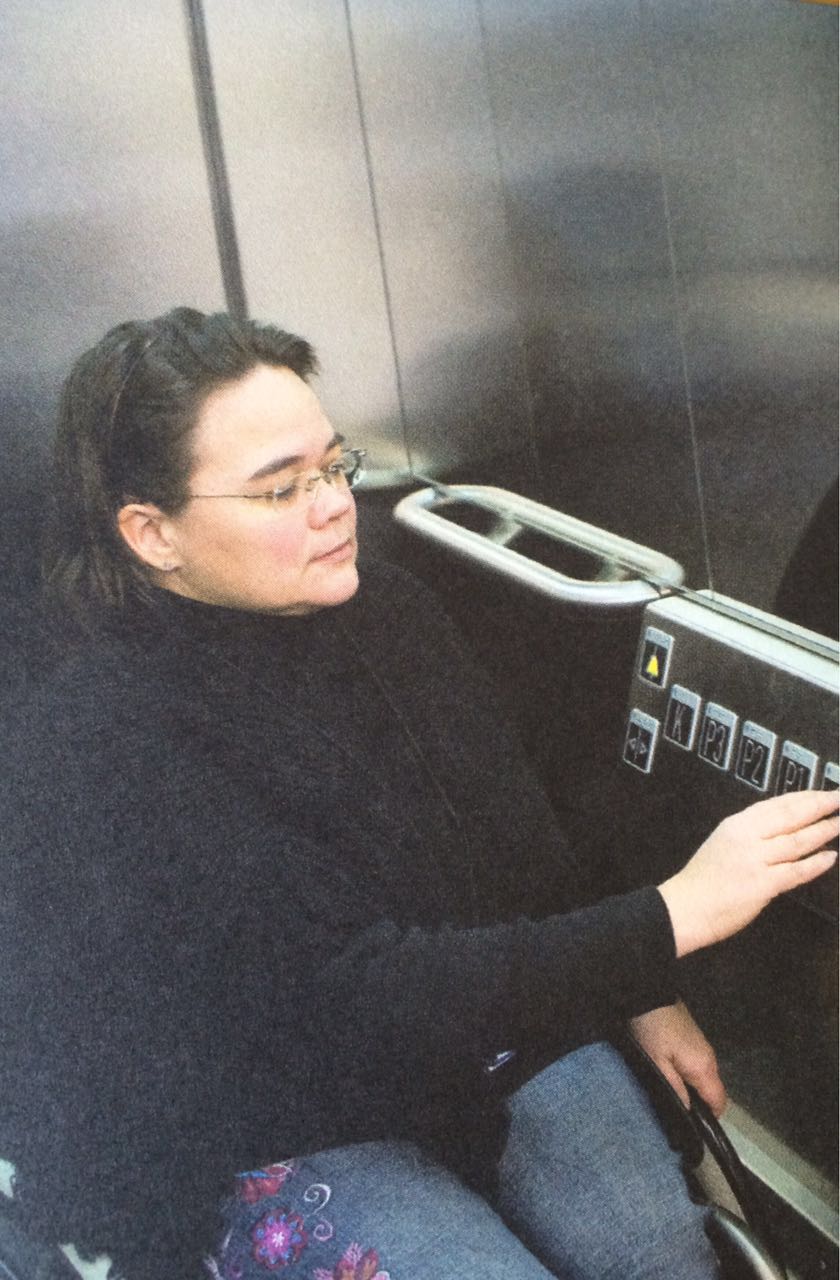
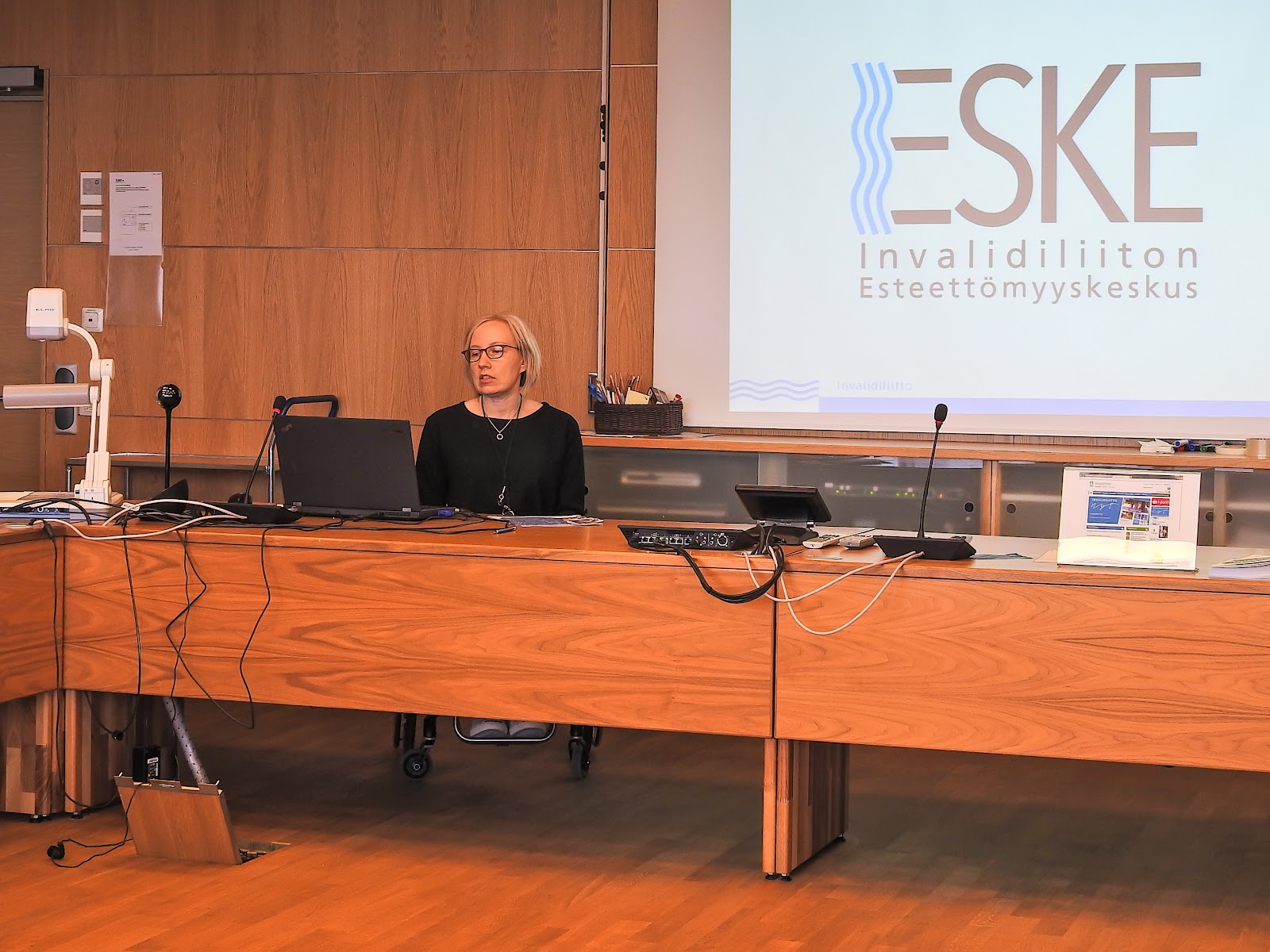
In the Accessibility Centre ESKE we had the opportunity to feel the inclusive atmosphere of the place, including the so well trained staff and also the adapted infrastructure in every room or work place. One of the most interesting aspect for us was the possibility of environmental adapting to almost every physical limitation. Obviously, because of its cultural importance, the adapted sauna was a unique demonstration of a constructed world without barriers, but we also got interested in the adapted refectory and furniture inside the offices to promote accessibility to people with special needs.  
DSCN5891.jpg
DSCN6016.jpg

b. What was most important…..
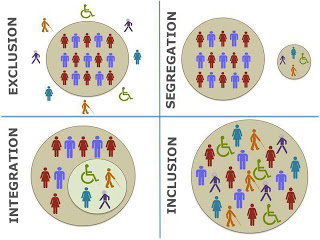
The most important issues in this experience was the recognition of the universal need for an environment which is completely adapted to people with special needs, so one cannot distinguish between a so called normal place and a site reserved for people with special needs. This situation can help the society to built a more comprehensive world in terms of special needs adaptation, because people with special needs can move from everywhere to everywhere, without being restricted to the pathways specially design for them. When we visited the Finnish Association of People with Physical Disabilities we also realized that the psicologycal aspect of a person with some kind of disability is as much important as the improving in infrastructure for those people.
inclusão.jpg
In this way, Education has a huge responsibility related to inclusion, because it can integrate the students into the society not only by building reserved places for people with special needs, but also helping to construct a society full of available places to all people. 

c. What did I learn….. 
In the Finnish education the first alternative for providing special needs support is to include pupils with special educational needs in mainstream classes and, when necessary, to provide special needs education in small teaching groups. Only when this is not feasible the second alternative is considered: the provision of special needs education in a special group, class or school.Separate curricula of special education have been abolished and all pupils use the same curriculum personalized by individual education plans.

d. Is there something I want to take back with me to Brazil…. 
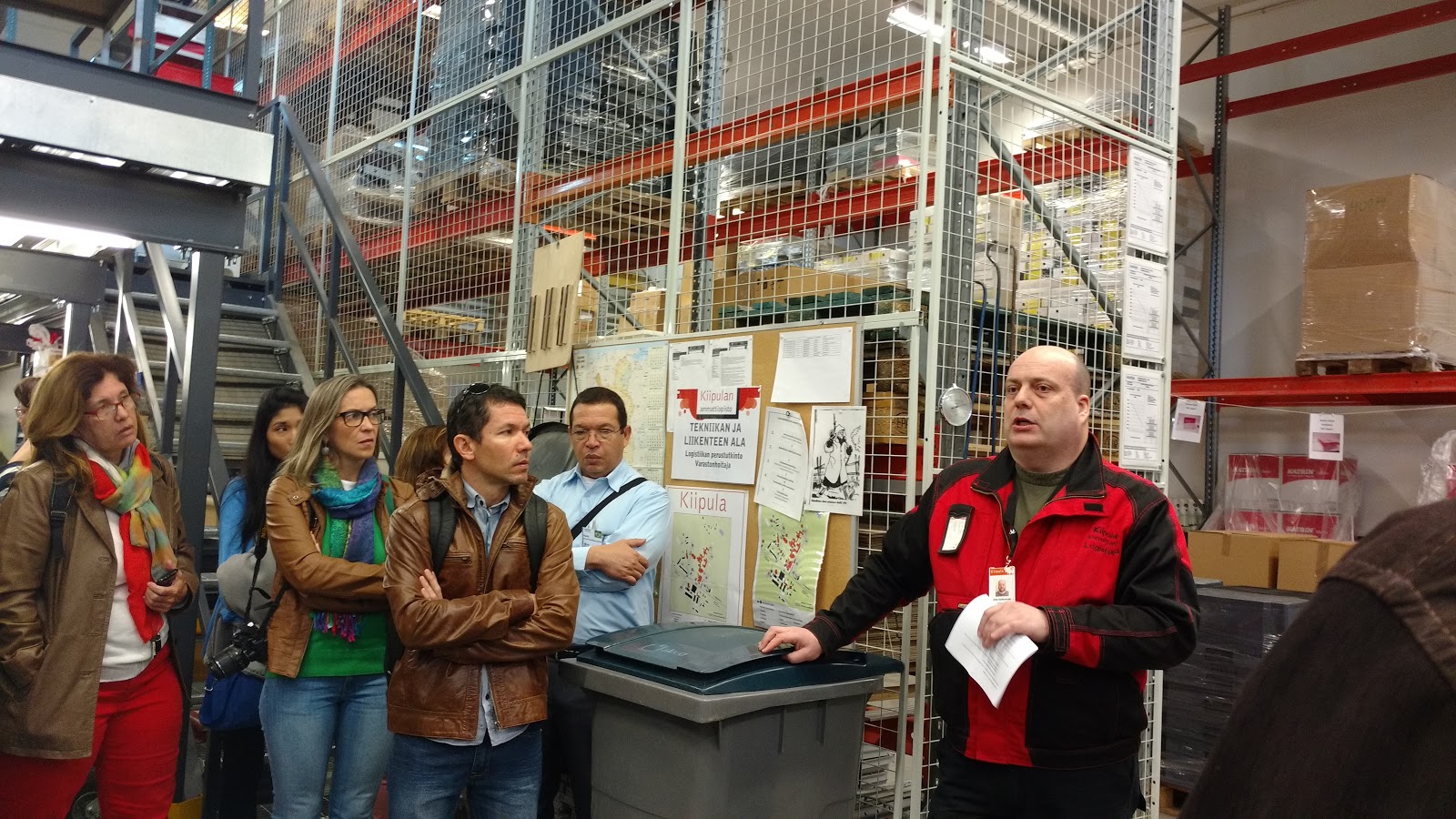
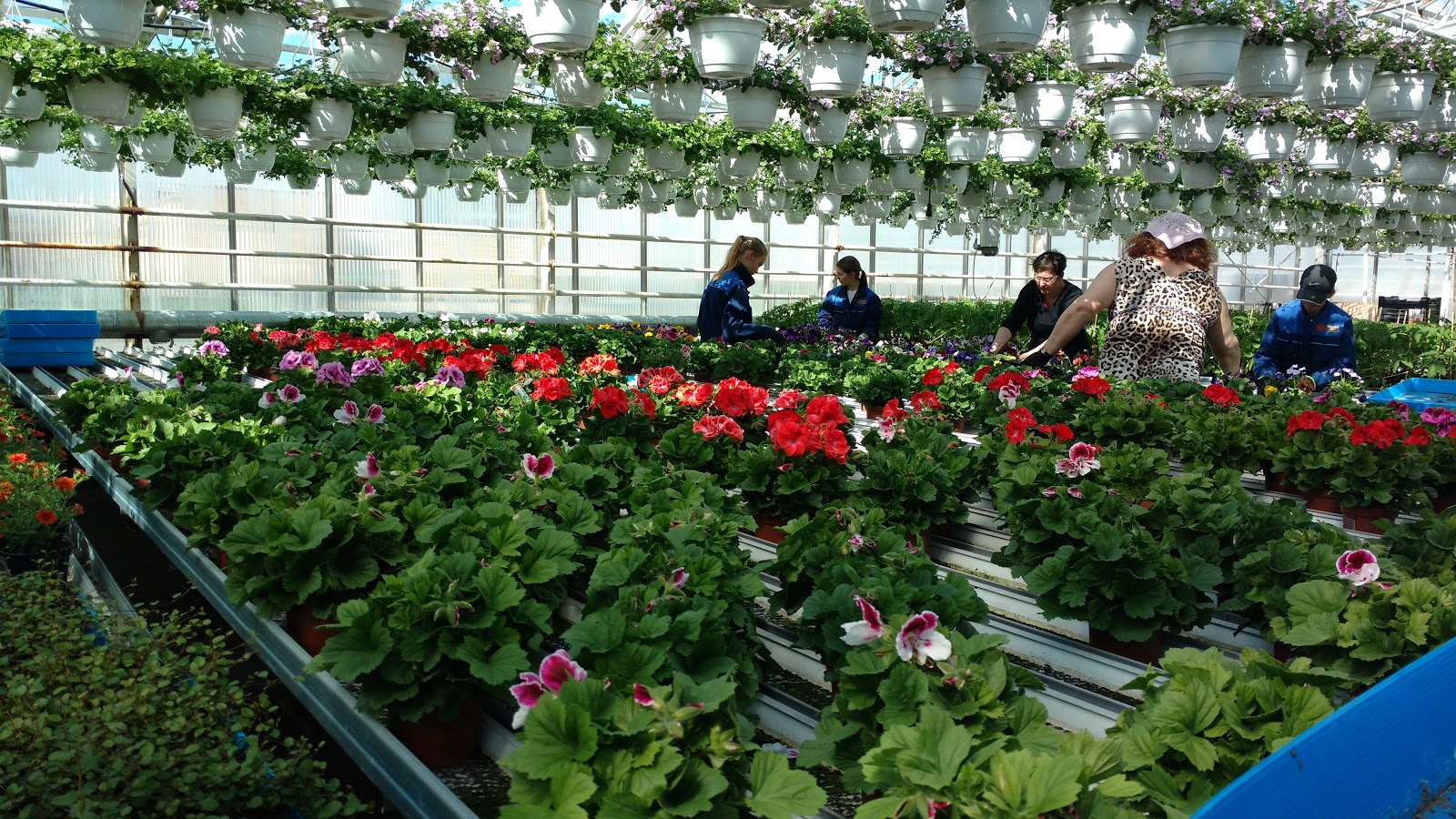
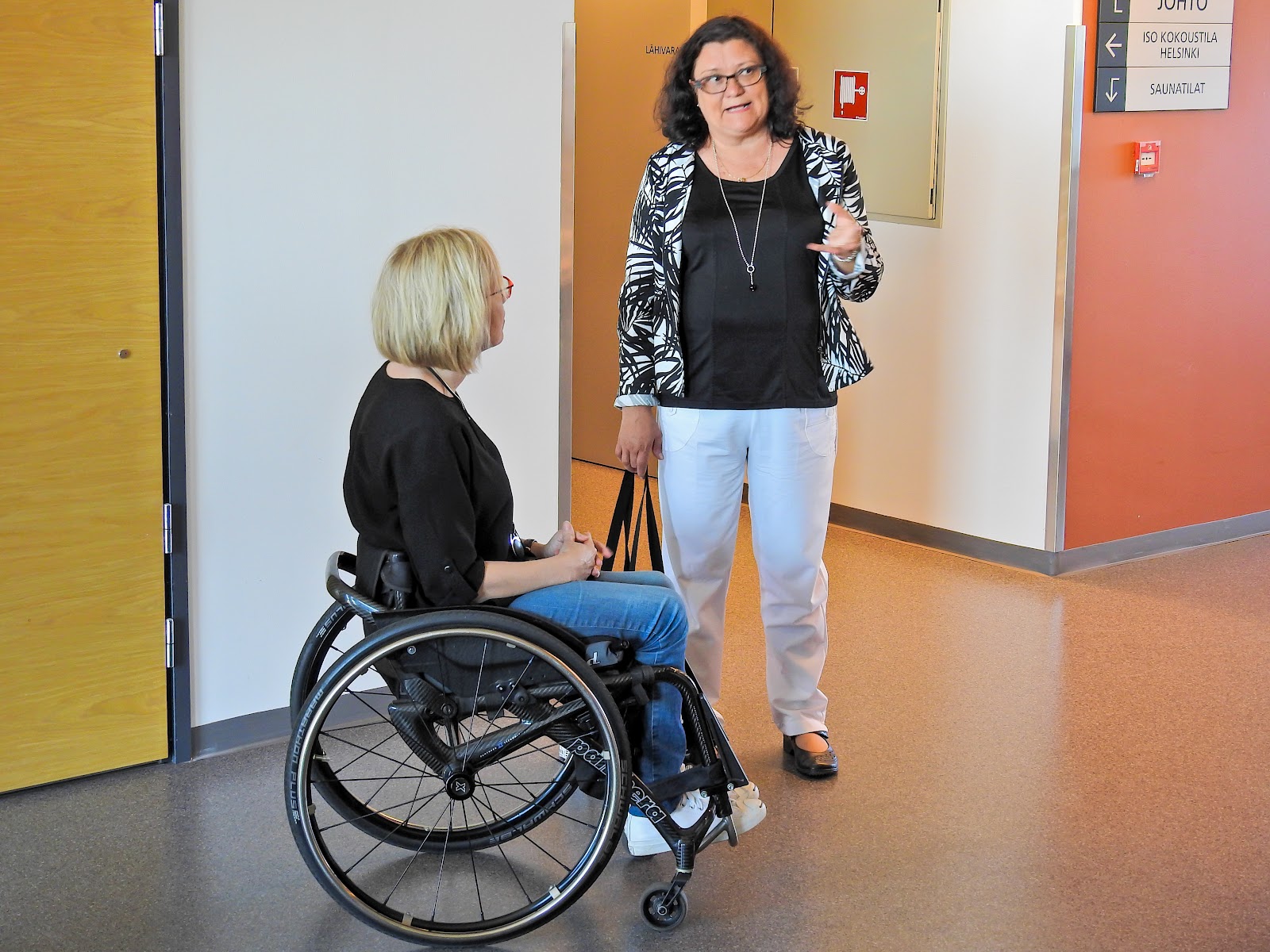
We could see that it is possible to include people with special needs in the society through education. Accessibility is a quality that must belong to everyone, taking part of one’s lives to let people to be able to do their day by day activities in a free way. This concept is important when we come back to Brazil: “Accessibility is Equality; it’s part of the Sustainable Development”. We also remembered the valuable experience we had in Kiipula Vocational College, in which the students with special needs learn professional skills to help them in the working life or to better understand the real world.
DSCN6019.jpgIrmeli 1.jpg

e. What the Finns do well in field of special education, what should they pay more attention to…
We had been seeing that the Finnish education is concerned to include students with special needs in the society and makes them productive and happy citizens. As there are so remarkable differences between Brazilian and Finnish efforts to promote equality related to accessibility because of the scale of the problem (200 million inhabitants in Brazil x 5,5 million inhabitants in Finland), we feel that Finnish society is doing very well to their citizens with special needs.


PART 2 - Brazil in 2025

"Your mission is to plan the development of special needs education in your home region"
Our plan for special needs educations has considered the following aspects:
  1. Infrastructure for accessibility
  2. Training programs for the school staff
  3. Budget allocation to promote equality and accessibility
  4. Plan for disclosure of results
  5. Produce and buy adapted didactic materials for people with special needs

The following outcomes were achieved during the implementation of the work plan, considering the concept of Easy Access (Helppo liikkua):
  1. Adapted sidewalks in the sorroundings of the school after meetings and collaborative work with the municipality public sector
  2. Adapted refeitory and all the restrooms inside the Federal Institute considering people with special needs
  3. Improved the physical environment of schools to enable disabled students to take better advantage of education, benefits, facilities and services provided
  4. Hire specialized professionals to help teachers
  5. Buy Software that is Accessible to Individuals with Disabilities
  1. What helped you in your work in developing special needs education?
First of all we believe that all students have the right to be healthy, happy and safe; to be loved, valued and respected; and to have high aspirations for their future. So it was necessary recognized that the disabled students (including students with a Hearing or Visual Impairment, Cerebral Palsy, Muscular Dystrophy, mental health issues and incontinence. People with ADHD, Autistic Spectrum Disorder, Downs Syndrome and Hydrocephalus are included. Medical conditions such as Cystic Fibrosis, severe Asthma, Diabetes, Cancer, Multiple Sclerosis, Epilepsy, Sickle Cell Anaemia and HIV are deemed disabilities. Facial disfigurement, severe Dyslexia, gross obesity and diagnosed eating disorders) needed to be supported by competent professionals. After that we got to involve teachers helping them to understand the each special needs students to plan how to support those students to get better results from their own learning.
  1. What kind of setbacks did you experience during your work?
We observed that one of the most difficult issues to deal with is the mindset of the people. The questions related to accessibility and people with special needs must be integrated to the day by day activities inside the school community and not only considering meetings and lectures.
  1. What did we already have (skills, knowledge, support) when we started?
In Brazil there is a legal framework that supports students with special needs and, in particular in Federal Institutes, there are available the “Centers for Assistance to People with Special Needs”, which aims to promote accessibility and contribute to the spread of the idea that accessibility is a right, and not a privilege.

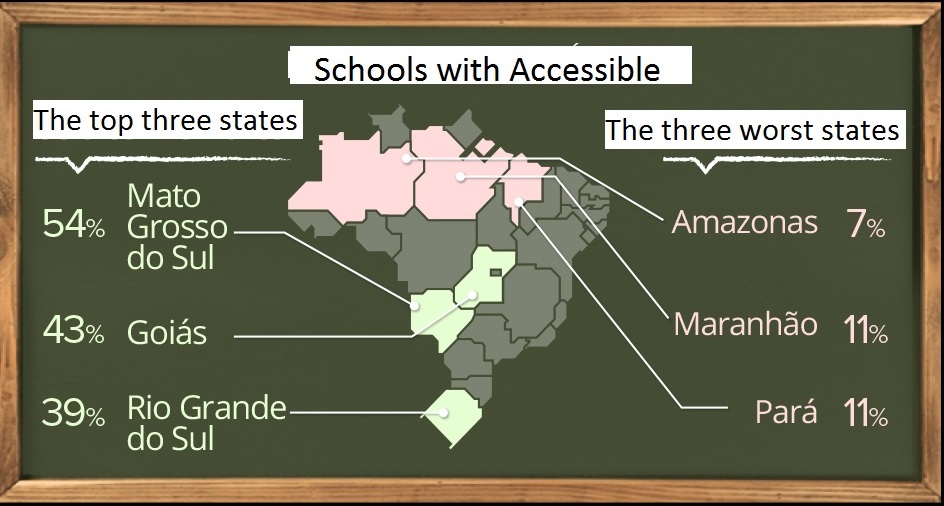
Data of Lemann Foundation indicate that only 23 municipalities in Brazil have all its schools accessible - including fully suitable for the handicapped bathrooms.
Accessibilidade.jpg

References:
  1. European Agency. Finland - Special needs education within the education system. In: <https://www.european-agency.org/country-information/finland/national-overview/special-needs-education-within-the-education-system>. Access: 1st Jun 2016.
  2. Finnish Association of People with Physical Disabilities. The Finnish Association of People with Physical Disabilities. In:< www.invalidiliitto.fi/portal/en> Accessed 1st Jun, 2016.

Building another world without barriers

Building another world without barriers


Have you dreamt about a world without any barriers?


Yes, a world where anyone can easily come and go, even disability people! Or, where everyone can learn into his/her own way and time, respecting individual needs.


No, you haven’t. Don’t worry, probably it happens because it shouldn’t be an issue for you.
However, there are many people that have to overcome barriers or obstacles in our cities, sidewalks and schools. Yep, there are! Just look around in your neighborhood or school. For sure you will see them.


Now, let’s think together. How about to build a new world without barriers? Take a look that it doesn’t mean to adapt our school for special needs  people, or to think the facilities for an average person (Is there any average person?). Actually, it means a world where facilities must respect every person and his/her needs, regarding it will change through the life, with the aging or unexpected situations.


How about to start it in our school? Because, if you think about your school in 2016, is it a school without barriers? Yes. Not. I don’t know…


If you think about your school, maybe 2025, can we build a school without barriers? Here, in Finland, we visited some special places. In Kipulla, for instance, we saw a vocational school were the curriculum can be adaptable for people with special needs. And, believe you or not, they do it using project-based learning. Students have been learning by doing and evereybody, even teachers, learn throughout the process.
IMG_20160502_104705213.jpgIMG_20160502_132920811.jpg
We believe that changes would start in our mind and in our heart. Small things, small actions, small steps. People are different in their needs, but they must have the same opportunities. So, if we think in our school in 2025, it would be very different from nowadays, because we decided to start the changing process. So, let’s do it together! https://www.youtube.com/watch?v=Us-TVg40ExM
Trust Family - Antonio, Conceiçao, Leonardo, Rita, Rodrigo Alves, Rodrigo Rossi
Vet Teacher for the Future

BRAZIL IN 2025: special needs education

Buscapé Family

Currently, in 2025, after almost a decade since our spring course in Finland, in 2016, it is worth reflecting on the challenges we faced from 2016 to 2025, the actions undertaken in this period and how all this impacted the reality we live in 2025.

In fact, since that professional meeting, in 2016, or maybe before that, we had a positive view of the future in relation to education for special people in Brazil. Specially during the 21th century, for example, the buildings became more accessible, and the old ones was adapted to provide greater accessibility to people.

Back to 2016

In 2016, the reality in Brazil showed school inequalities, such as insignificant registration number of a person with disability in professional technical education, reduction of supply by the education systems in the programs of initial training articulated to basic education designed exclusively for this social segment, in the most part, developed in specialized institutions of private philanthropic character; the low effectiveness of programs for inclusion in regular professional education network as a whole, even considering the elementary aspects such as adequacy of physical space and availability of rooms with multifunctional resources.  

During VET3, we hoped that all schools would be accessible and that teachers do training to deal and work with students with special needs. Also we hoped that schools have adequate environment for all students, and they do not feel excluded and have to change for a special school. Even though schools have such accessibility and responsiveness, also we wanted the possibility of some schools to offer specialized care for certain cases where it was really needed.

We remember that, in a group discussion of VET homegroup in 2016 we thought:
a. one factor that may help in the developing of special needs education is the training of servers to help students with special needs, especially of teachers. 
b. to have an inclusive education is essential training teachers to work with these students, seeking to develop the specific needs teaching materials appropriate for each student having access to different capabilities and resources to their development with support of specialized professionals seeking to stimulate the learning process for all students.
c. another factor to be considered is the partnership and involvement of many actors who work with these students: teachers, school administrators, families, community, other classmates.
d.  to have an inclusion of students with special needs in a class with other students is important to reduce the number of students in this class to have a better monitoring of these students enabling the coexistence between students with special needs and other students.
e.  another point that we can highlight is the need to reform and adjustment the physical spaces to all spaces of the school be accessible to a wide range of needs ( blindness, difficulties in walking, wheelchair ... )

Reality in 2025

In Brazil, in the field of special education we have expanded access for people with special needs to the educational activities of the institution and support the integration of these citizens in the labor market, thus we have promoted their inclusion. Firstly, we receive everyone, welcoming diversity, with the recognition of the learning rights for all. In the process of learning individualization we focus in eliminating barriers and providing full opportunities of development to all.
Along with this, we invest in adaptation of the institutions infrastructure to the needs of the person with disabilities and acquiring specific educational technologies, such as equipment, accessories and materials.

Besides all of this, we created and developed a collaborative network and partnerships (building bridges) to ensure the expansion of care for people with special needs enabling the preparation not only to act in the labor market, but for effective participation in political, social and cultural life in Brazil.

Technologies have expanded a lot since 2016, and we have integrated them as much as possible to help in the challenge of overcoming the problems with accessibility. In addition, they have helped in the waste production, new energy sources and genetic improvement of food. After the deep 2022 crisis, countries and finally the world's population signed pact with improved quality of life for everyone, for humanity survival in a world with effective water shortages. The whole situation has helped to build the world we have today, in 2025, and the launch of new challenges for us to spread our progress not only schools in the federal school system, but for all schools in the world progressively have become ever more inclusive and socially relevant.

In the Midwest of Brazil, in 2025, 90% of students are succeed in regular classrooms because they get the emotional, academic, health and medical help they need. For this, there is training for teachers in the promotion of individual learning plan to help students with special needs. There are partnerships and involvement of teachers, school administrators, families, community, other classmates and so on. We have reformed and adjusted the schools physical spaces becoming them accessible to a wide range of needs (blindness, difficulties in walking, wheelchair, learning difficulties and high skills). The learning process is guided for a team that involves principal, special education teacher, school nurse, phychologist and the classroom teachers.

Thursday, 2 June 2016

Team 5 - Paint as I paint

Assessment, for us, is a way to recognize the skills and competences learning by students. Must always be clear to the students the expectations and outcomes, like creativity, communication, colaborative working, and so forth. There are different forms and goals of evaluation, and it is possible identify it in individuals and groups. Individualization evoques more autonomy and creativity of the students.
Examples of assessment:
1. Interviews
2. Self reflection
3. Digital tools

GuildScools Training

Team 2 - AQUARELA

What do we know about evaluation?

The evaluation is divided in 3 parts:
1) Diagnostic assessment
     Ask about prior knowledge

2) Formative assessment
    During the process and do feedback to the students
 
    Criterias:
        Choose the correct tool and materials , know how to handle it
        How to combine colors
        Colaborative work
        Workplace organized

3) Summative assessment
     Evaluate all the process


Team 3 - Peitinho paint

PLAN      Criativity
                 Selection the materials
                 Selection of the technique

DO           Handle of the tools
                 Application of the technique
                 Organization

CHECK    Assessment of the final product
                 Environment and safety
                 Technique applied
                 Collaborative work


Team 4 - Naked Cadilac

Handcraft skills evaluation
- Safety on the place work
- Aware of safety regulation
- Work plan
- Execution of work plan
- Operation and Maintenance of tools
- Creativity
- Product evaluation
- Execution of work

TEAM 1. The Four Seasons

About evaluation:

WHAT WE USUALLY DO
Assessment is usually made at the end of a given subject
We usually do not make previews knowledge recognition
Assessment is based on content

WHAT SHOULD BE DONE
Previews knowledge surveys
Continuous assessment
Competences based assessment (demonstration)
Self-evaluation and peer-to-peer evaluation
Evaluation from the working life sector

Thursday, 19 May 2016

Competence-Based Curriculum: Vocational Qualification in Urban Transit.


Hello Everyone! We wish you a nice day!
Our post today is about Competence-Based Curriculum. It's so common in the Finnish curriculum in all levels of education. We have seen it in practice in the visits at schools. Therefore, to talk about this subject, we thought about a new Vocational Qualification Course, on Urban Transit. During the presentation of this course it is possible to verify the skills and competences required and how it'll be implemented and assessed.


Vocational Qualification in Urban Transit


1. Federal Institute of Education, Science and Technology


Welcome to the Federal Institute of Education, Science and Technology! Here we offer vocational education that suits your needs! We are an Institution with more than a hundred years providing education and creating opportunities for people who wants to join the world of work with qualification.
Our network has presence all over the country and we offer courses in fields such as industry, commerce, agriculture and services. We have qualified professionals and facilities equipped with high end technology.


2. About the Course


This course aims to carry out the procedures for the traffic planning, management and operation. Furthermore, the Transit Vocational Course intents to promote the education, accessibility and security of the traffic. Among the activities developed within the course, the student will learn about the organization and the traffic control, as well as upon the equipment maintenance, monitoring transit and the public ways. As a methodology for the course is relied on Project Based Learning (PBL), which is in all steps of the course. The student will experience theoric contents in a practical way (learn-by-doing). In PBL, the learning is contextual and shared. Students collaborate on meaningful projects that require critical thinking, communication and creativity, so that they can answer challenging questions or solve complex problems regarding the course skills.


3. Skills and Competences


3.1. Skills
  • Survey of resources available
  • Survey of activities related to logistics of traffic flow in the region
  • Collect data for the preparation of a traffic plan with the mapping of the transport stream;
  • Collect data to prepare environmental impact reports;
  • Scale out improvements and installations;
  • Develop an action timetable that integrates theory and practice;


3.2. Competences
  • Know the operation of the public transport;
  • Identify if the volume of passengers vs. amount of transport is sufficient to attend the population;
  • Check if the bus stops are marked with the script and the estimated time of arrival;
  • Build crosswalks;
  • Introduce traffic signs to the public transport;
  • Develop folders with the mapping of the bus to the study area;
  • Analyze the available resources and the technical, economic and social situation of the region;
  • Identify and plan the activities to be implemented;
  • Compare the results and evaluate the cost-effectiveness of activities;
  • Evaluate  the impact of activities;
  • Evaluate the environmental impact caused by transit;
  • Quantify and compatible the need for hand labor, human resources, machinery, equipments and materials.
  • Identify the functions of the transportations and its role in circulation of goods and people, movement of goods and people in international in local, national, regional scale;
  • Relate transport ,transit,human occupation,time and environment as parts of one system;
  • Execute the logistics of transport and traffic, applying strategies that matching  resources with demands;
  • Identify the characteristics of the road network;
  • Apply regulations regarding vehicle traffic and the passengers transport, identifying the agencies that standardize it, in Brazil and abroad;
  • Organize and manage transport and traffic operations.


3.3. Lifelong Competences
  • Learning and problem solving;
  • Interaction and co-operation;
  • Vocational ethics;
  • Health, safety and ability to function;
  • Initiative and entrepreneurship;
  • Sustainable development;
  • Communication and media skills;
  • Mathematics and natural sciences;
  • Technology and information technology;
  • Active citizenship and different cultures.


4. Study Programme


5. Learning Through a Entrepreneurial Action

During the studies the students have to create a cooperative company in order to provide benefits for the urban transit. The students also actively develop teamwork and leadership skills. In this way, during the studies process, they gain experience and earn money for our team cooperative companies. Our main goal is promoting benefits to the urban transit. Collaborative networks built during the studies ease access to working life.